Guide
How often should you stretch?
The honest answer is: more often than most people do, but less intensely than many think. Here is what the research and our clinical team suggest.
01
The short answer
For lasting changes in flexibility, regular stretching across the week matters more than any single long session. Studies that show meaningful gains typically involve stretching the same areas on several days a week, over a period of weeks rather than days.
02
How long to hold a stretch
Holds of around 30 seconds or more, repeated a few times, are common in research and a sensible starting point at home. Longer total time on an area over the week tends to bring bigger changes. You should feel a clear stretch, never sharp pain.
03
How long before you notice a difference
You may feel looser straight after a session, and that short term change is real, but it fades. Lasting improvement in range usually takes several weeks of regular practice. If you stop, it gradually returns towards where you started.
04
Before or after exercise?
Long static holds straight before explosive activity such as sprinting can slightly reduce performance for a short time, so a dynamic warm-up is usually the better choice before sport. Static stretching fits well after training or as its own session. Short holds within a full warm-up are generally fine.
05
Build a routine you will keep
Pick two or three stretches for the areas that matter to you and attach them to something you already do, such as after a run, a shower or the evening news. Ten minutes on most days beats an hour once a month.
06
Where assisted sessions fit
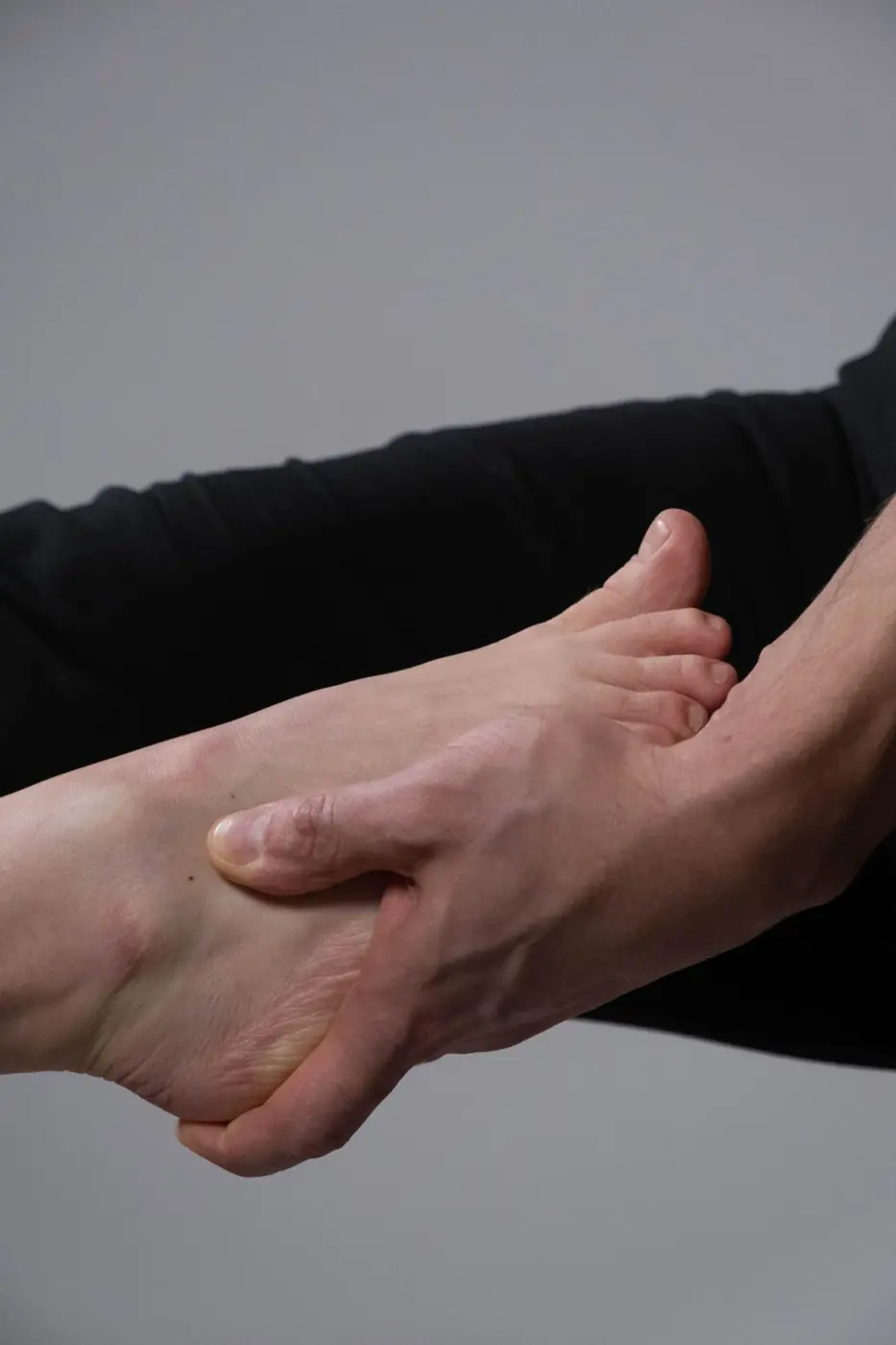
You do not need a professional for every stretch. Many people book a session every week or two while working towards a goal, and do a short routine at home in between. Your first visit includes a movement screen and home stretches chosen for you. Your first visit.
Key takeaways
- Regular stretching on several days a week beats occasional long sessions.
- Around 30 seconds per hold, repeated, is a good starting point.
- Expect lasting changes over weeks, not days.
- Use dynamic movement before sport and static stretching after or separately.